00 The Operator Lab
The catalog work an agency outsources, run by one operator.
I sent the catalog back styled and shot. Styled rooms, every SKU. There was no photographer and no studio. That is one pipeline, and I built it with Claude.
Hand it a plain product photo and it returns a styled render, then the Meta ads, then the push to the Shopify store, then the rewritten SEO product title. Four connected stages, one run. I spent about two weeks building it and I have been sharing it as I go. This page is the method, and the freebie is the whole of it.
I am Conner Crowe, a fractional marketing lead who works directly with home and furniture brands and builds these systems myself.
- 4 Connected stages
- 2 Weeks of building
- 1 Operator on the call
01 The bottleneck
Catalog photography is slow. It does not scale.
A home brand I work with kept making products faster than anyone could photograph them. The usual fix is a photographer and a studio. That is weeks of scheduling and a real bill, and the new products sit unshot the whole time.
So I spent about two weeks building a different fix with Claude, and I have been sharing it as I go. It is one pipeline. Hand it a plain product photo and the brand's look, and it returns that product styled in a real room. Same piece, no shoot day.
The render is the start, not the finish. From it the pipeline builds the Meta ads, pushes the update to the brand's Shopify store, and rewrites the SEO product title to match. Four connected stages, built once with Claude, run when the work comes.
02 The pipeline
Stage by stage.
One pipeline, four connected stages. A plain product photo goes in at stage one and a finished store page comes out at stage four. Here is how each stage runs. The brand is anonymized on purpose.
Stage 01 Image generation
A plain product photo becomes a styled room.
The home brand needed its catalog shot. Styled rooms, every SKU. The usual route is a photographer, a studio, and weeks of scheduling. This stage does the same job without any of that.
- 01
Brand constitution
A file that fixes the palette, the materials, and what the product must never look like. Every render is built against it.
- 02
Structured prompt
A JSON schema the image model cannot drift out of. The same input gives the same kind of output every time.
- 03
Generation
Nano Banana renders the scene. Claude directs it. The render runs at 99 percent fidelity to the real product photo.
- 04
Composite
Logo and any on-image copy are placed by rule, not by eye. The brand mark lands in the same spot on every asset across the catalog.
- 05
Fidelity check
Every render is scored against the actual product shot before it is allowed through. A render that drifts is rejected.
A render comes back styled and scored, ready to carry through the rest of the pipeline. No studio, no shoot day, no month of calendar.
Stage 02 Ad creation
The render becomes a finished Meta ad.
One ad usually means a brief, a round of design, and a wait. At this stage the render from stage one becomes the matched-pair creative and the copy in one run.
- 01
Pick the product
The pipeline reads engagement data and selects the product worth putting spend behind. The pick is a decision, not a guess.
- 02
Composite the creative
It places the logo and the on-image copy by rule, working from the stage-one render. Out comes a matched pair, the square and the story format.
- 03
Write the copy
Split-test ad copy is written alongside the creative. The text and the image leave the stage together.
- 04
Fidelity QA gate
A mandatory audit scores every rendered ad against the reference photo. No batch is called done until it passes.
A founder gets ad creative and copy ready to load into the account, with the product rendered faithfully.
Stage 03 Shopify push
The finished assets go to the live store.
A render that sits on a drive is not the deliverable. At this stage the work from the earlier stages goes to the brand’s live Shopify store.
- 01
Match to the product
The pipeline maps each render and update to the right product in the catalog, so nothing lands on the wrong page.
- 02
Stage the update
The finished image and copy are prepared as a draft change, ready for the storefront and not left as a separate task.
- 03
Push to Shopify
The update lands in the Shopify backend. The handoff to the storefront is part of the pipeline.
The product page sits in the store backend as a draft update. The founder reviews and publishes. Nobody waited on a separate handoff.
Stage 04 SEO product fields
The product title and meta description, rewritten.
A product title nobody touched is a missed search result. At this stage the title and meta description are rewritten to a consistent, search-ready pattern.
- 01
Read the product
The pipeline reads the product and the brand facts before a word is written, so the fields are anchored to a real product.
- 02
Template the SEO fields
The title tag and meta description are built to a fixed pattern, so search sees a consistent shape across the catalog.
- 03
Push to the product page
The rewritten fields go to the same Shopify product as the render, so the page is finished in one pass.
The product page has a styled image, a search-ready title, and a meta description that matches the rest of the catalog. One pipeline, from a plain photo to a finished page.
Source Rendered
Stage one, proven one product at a time. Sixteen pieces across two catalogs, one on Shopify and one on WooCommerce. Each row pairs the reference photo I sent the model with the lifestyle scene it returned. The rendered product stays faithful to the source down to its hardware and joinery.
-
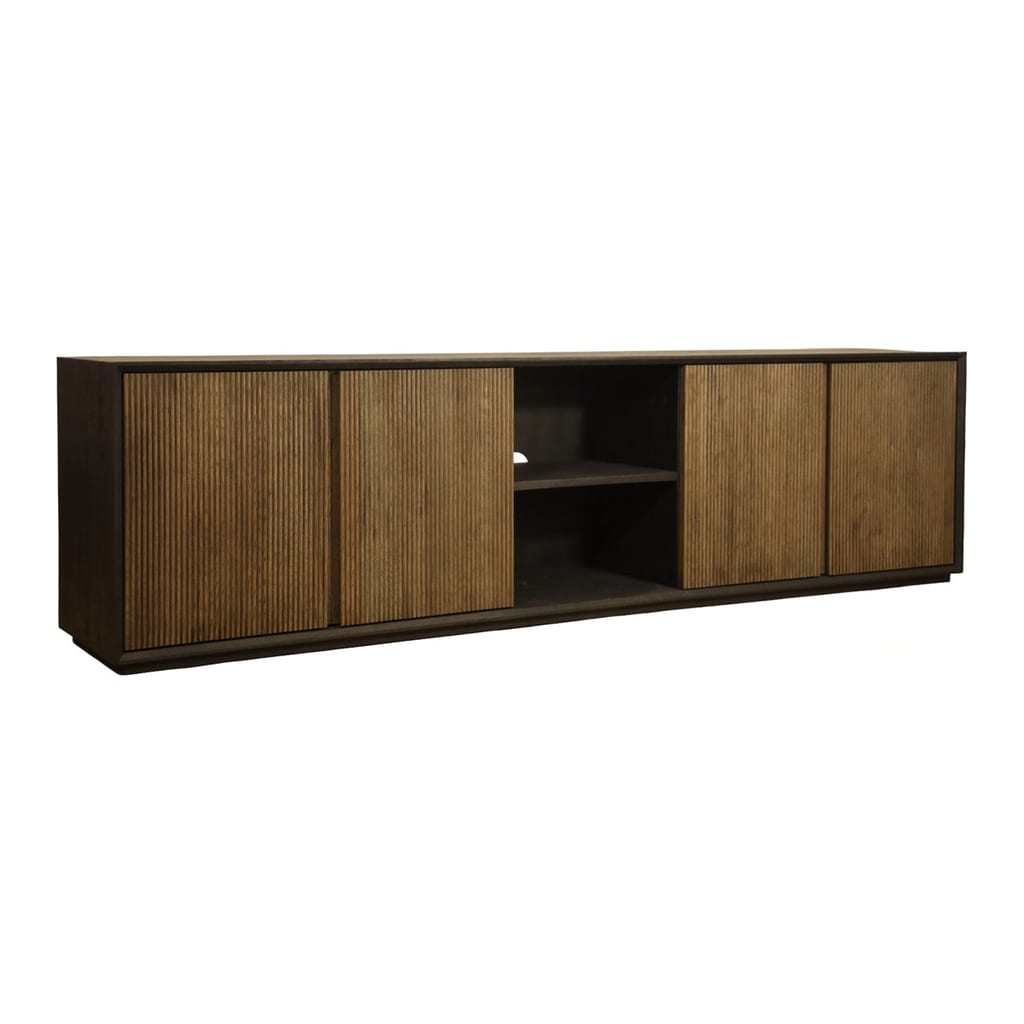
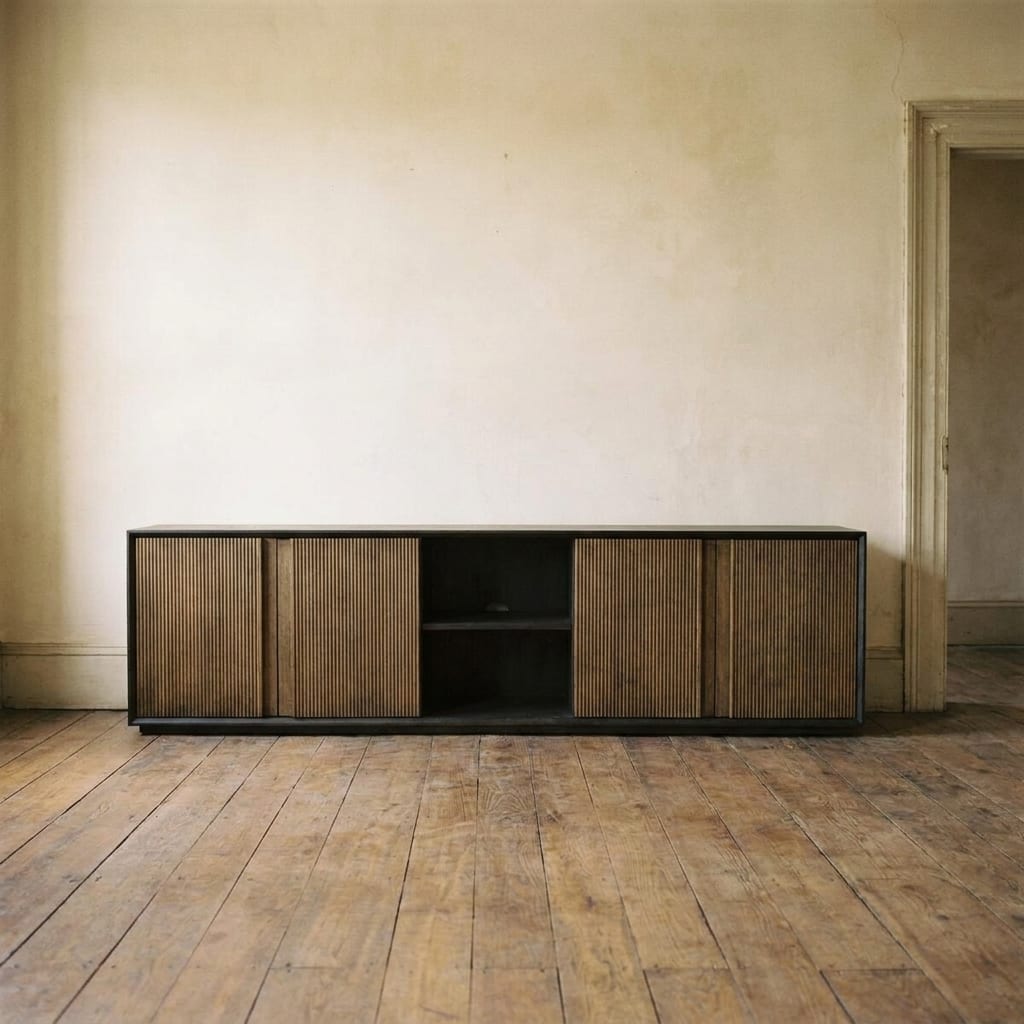
Dawson entertainment console
-
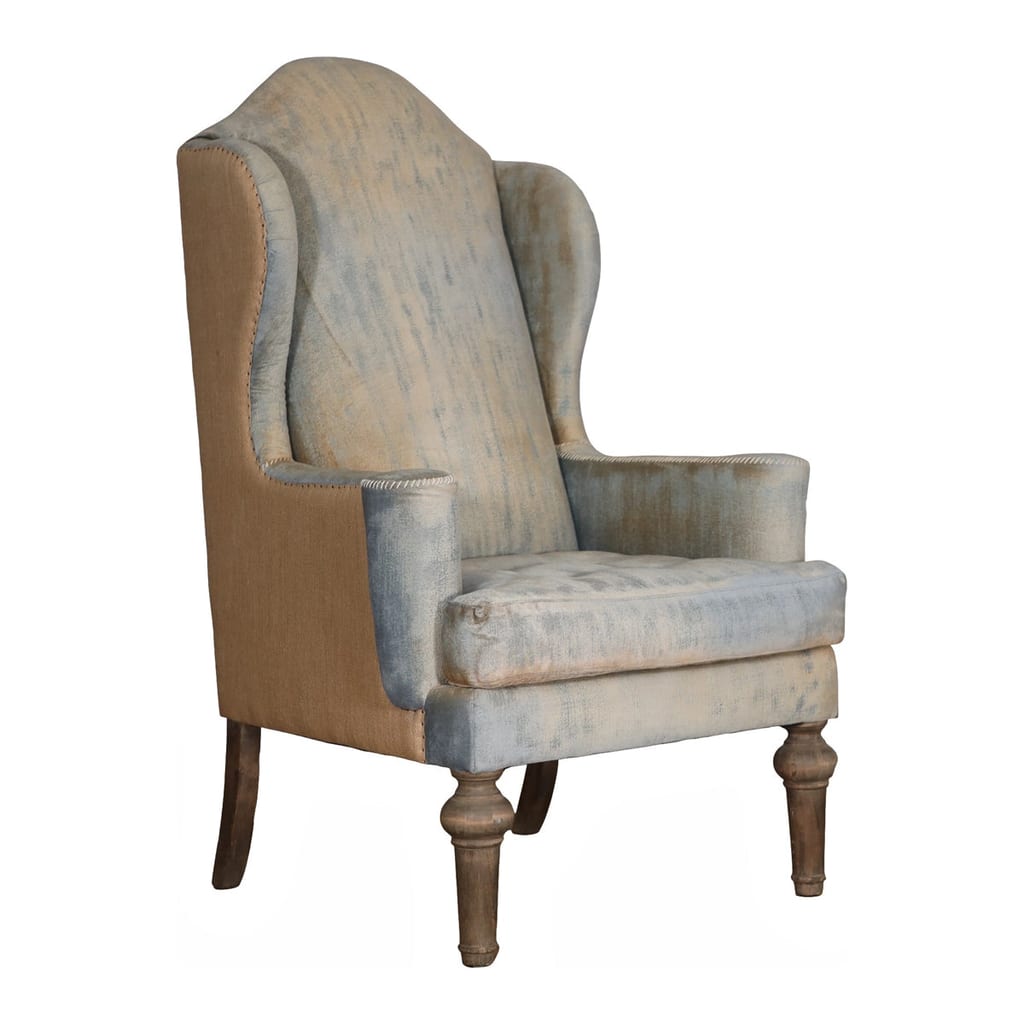

Cheltenham chair, blue velvet
-
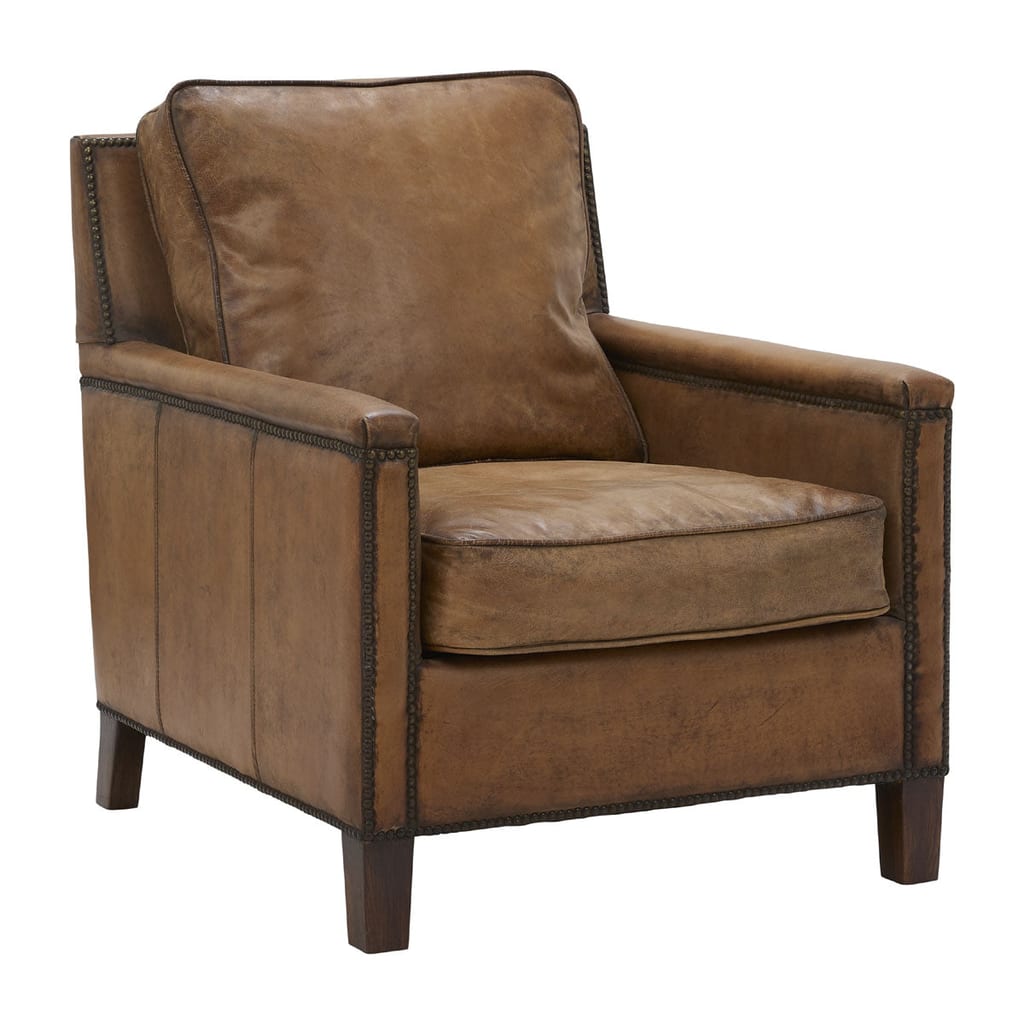

Keswick club chair, antique leather
-
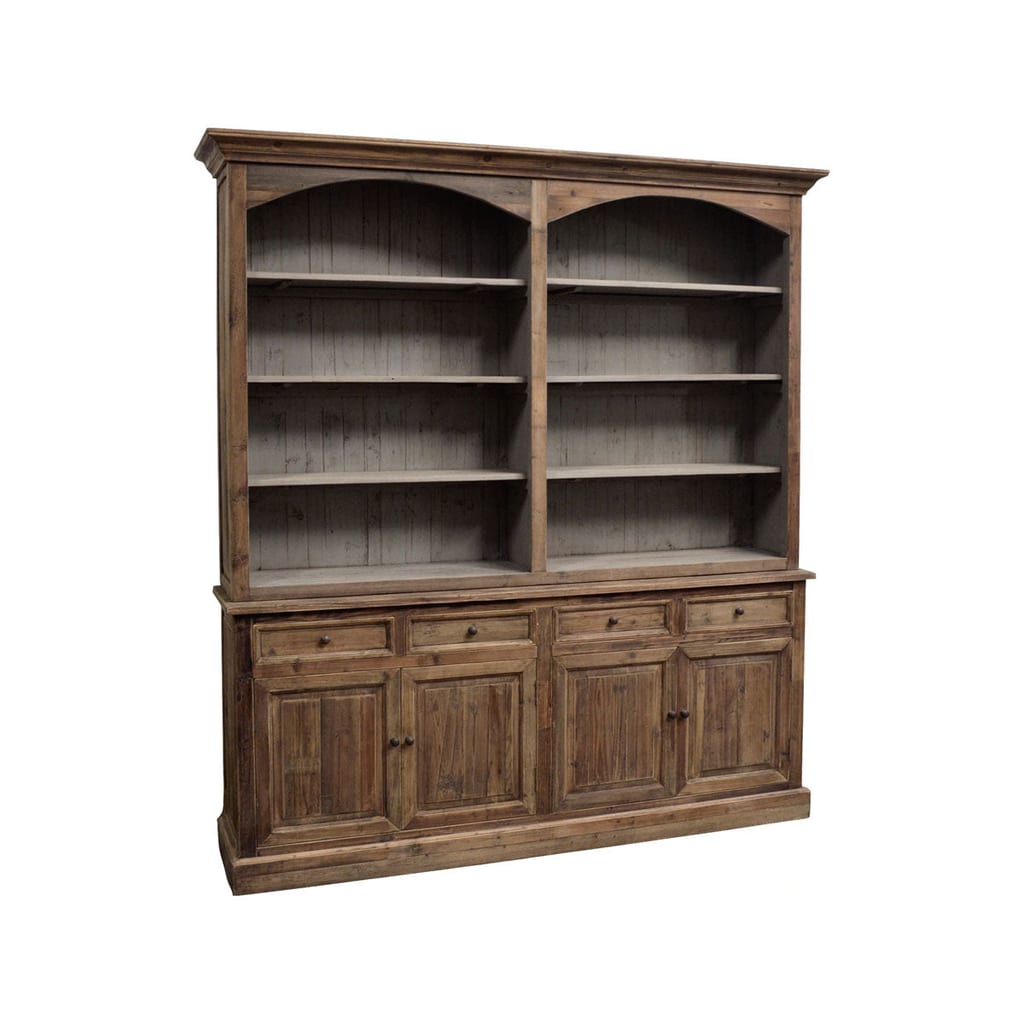
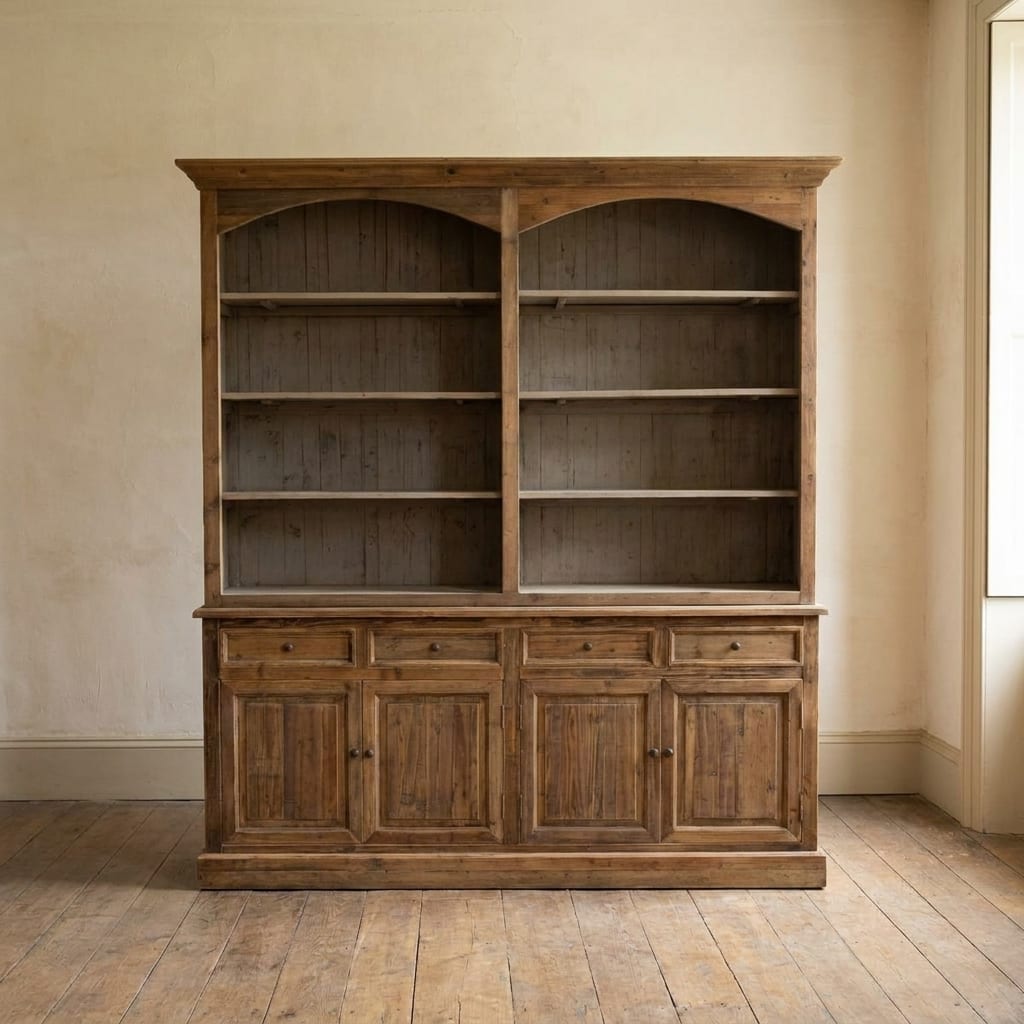
Reclaimed pine, double-arched bookcase
-
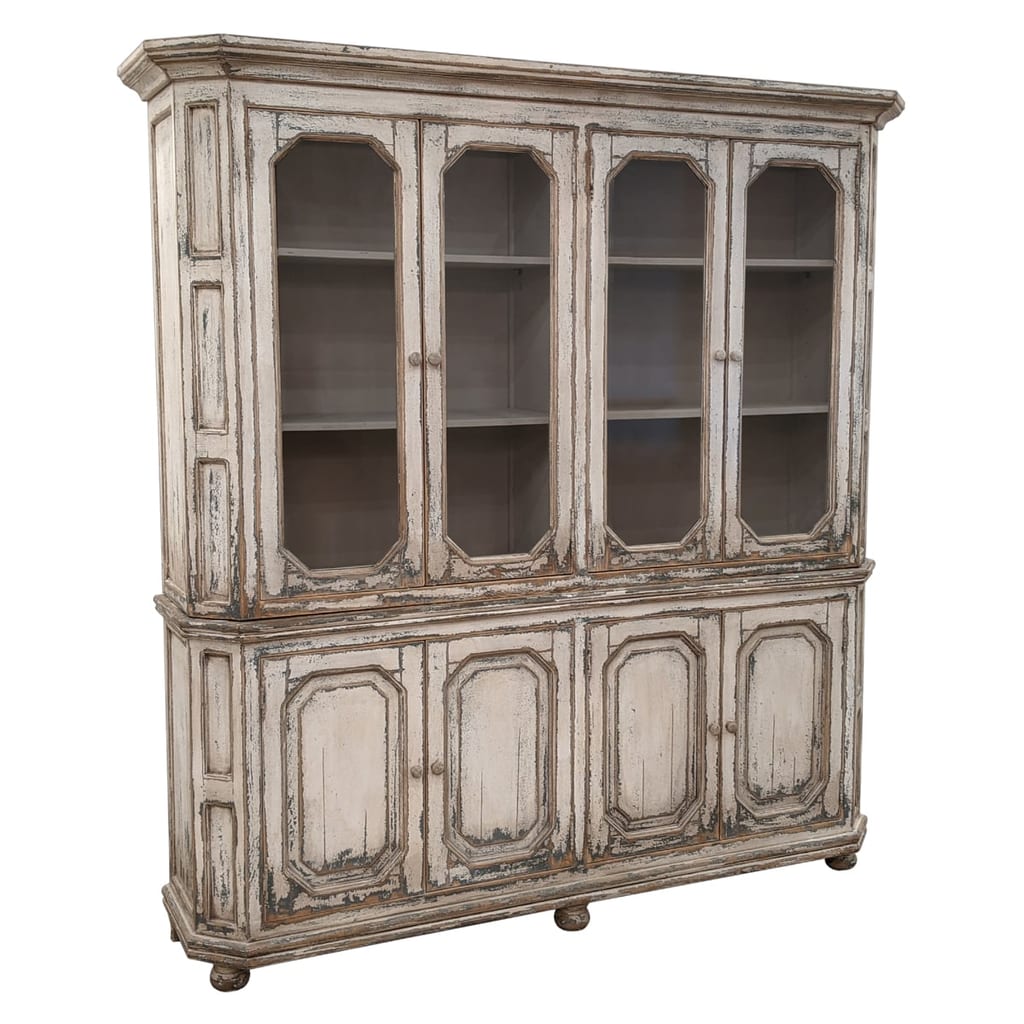
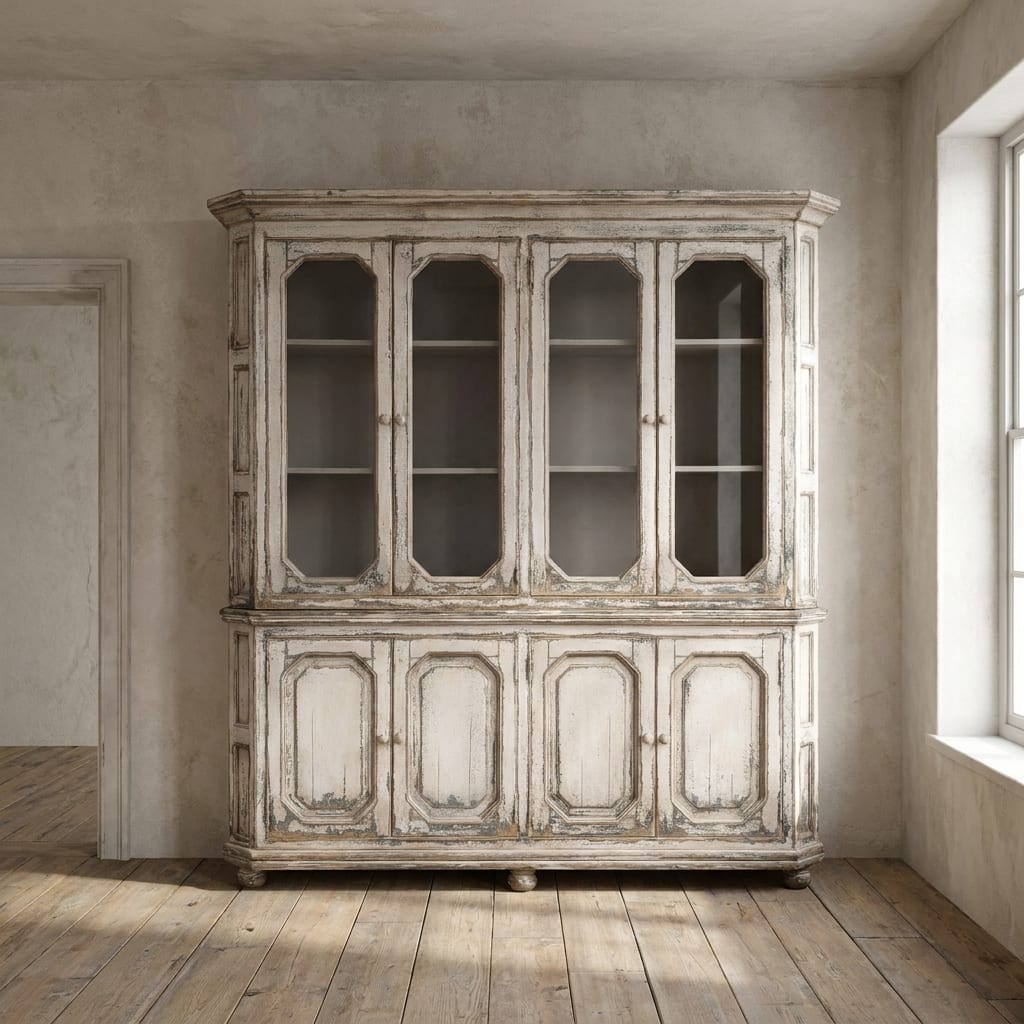
Large cabinet, glass panel doors
-


Garcia armchair
-
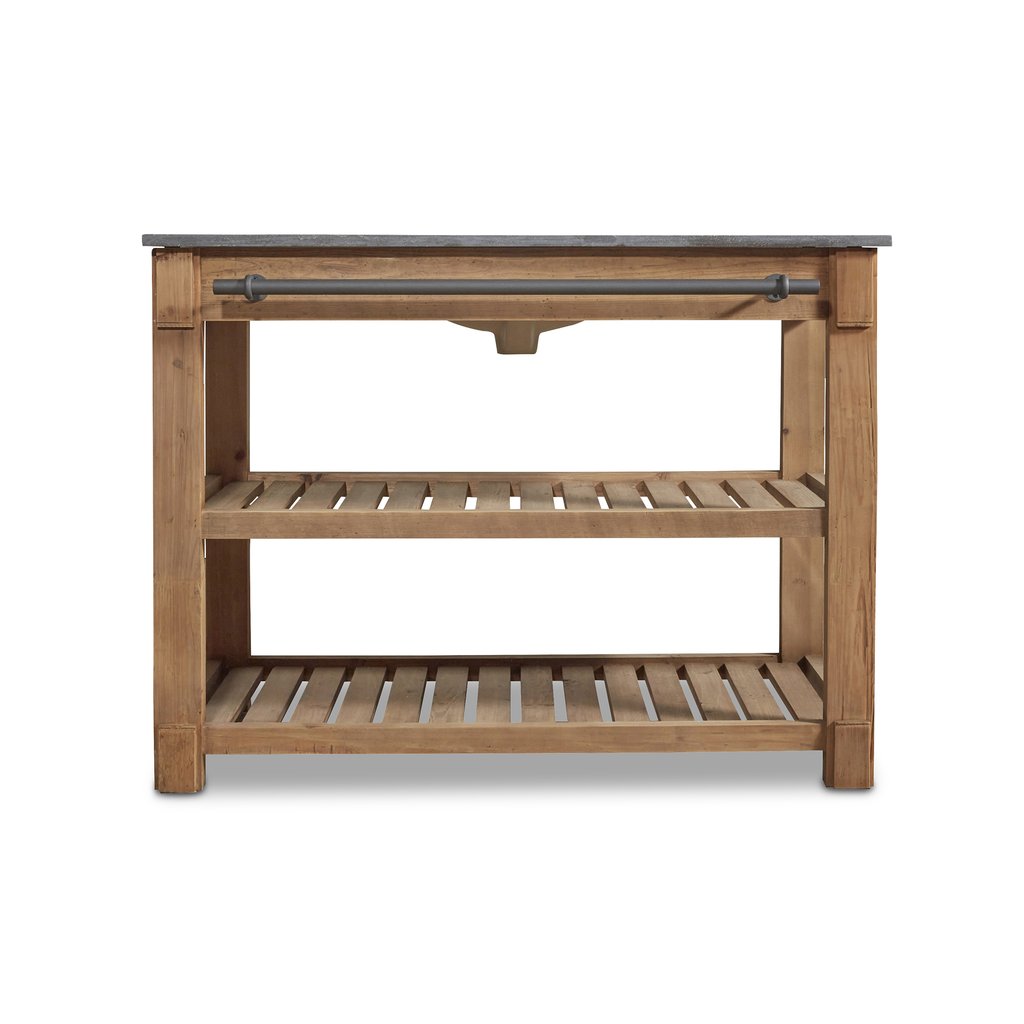

York open-shelf washstand
-


Tarbes tall mirror
-


Rhone swivel chair, Belgian linen
-
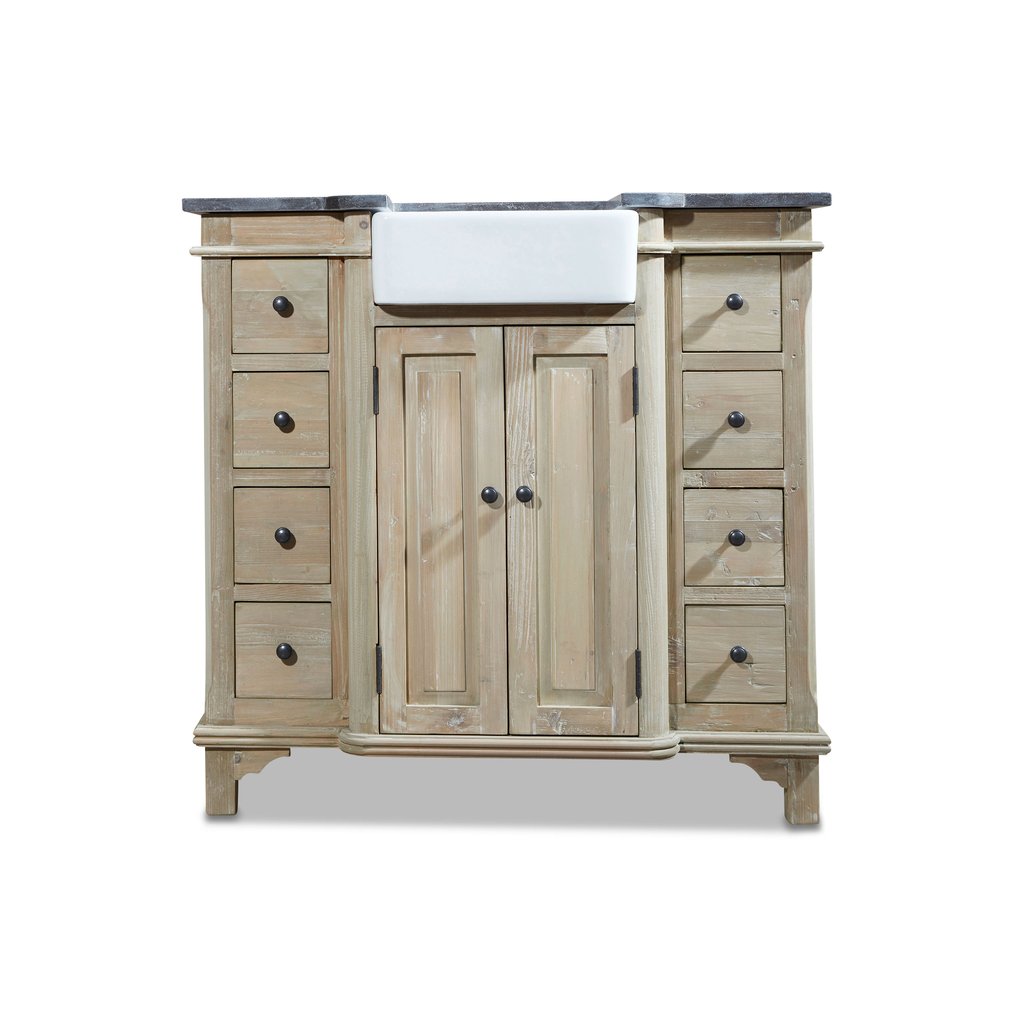

Winfall farmhouse-sink vanity
-
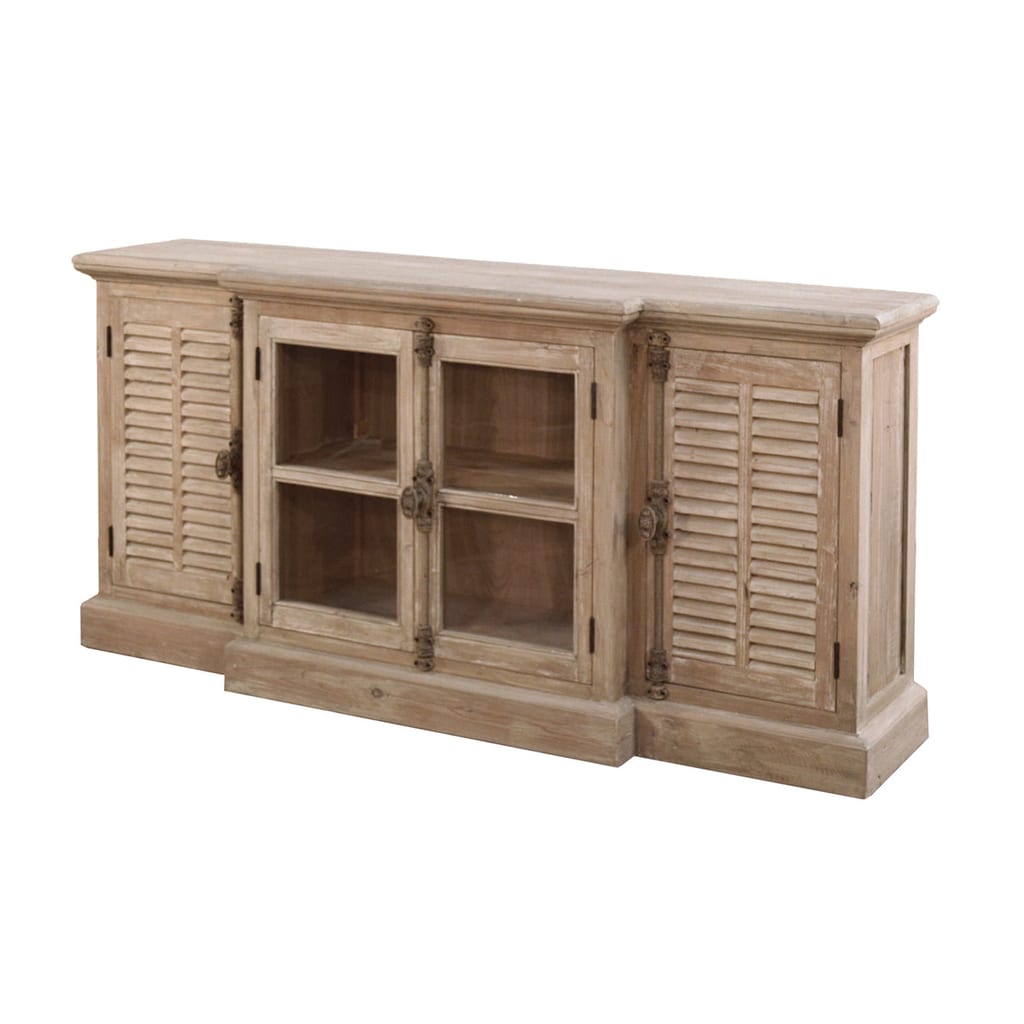
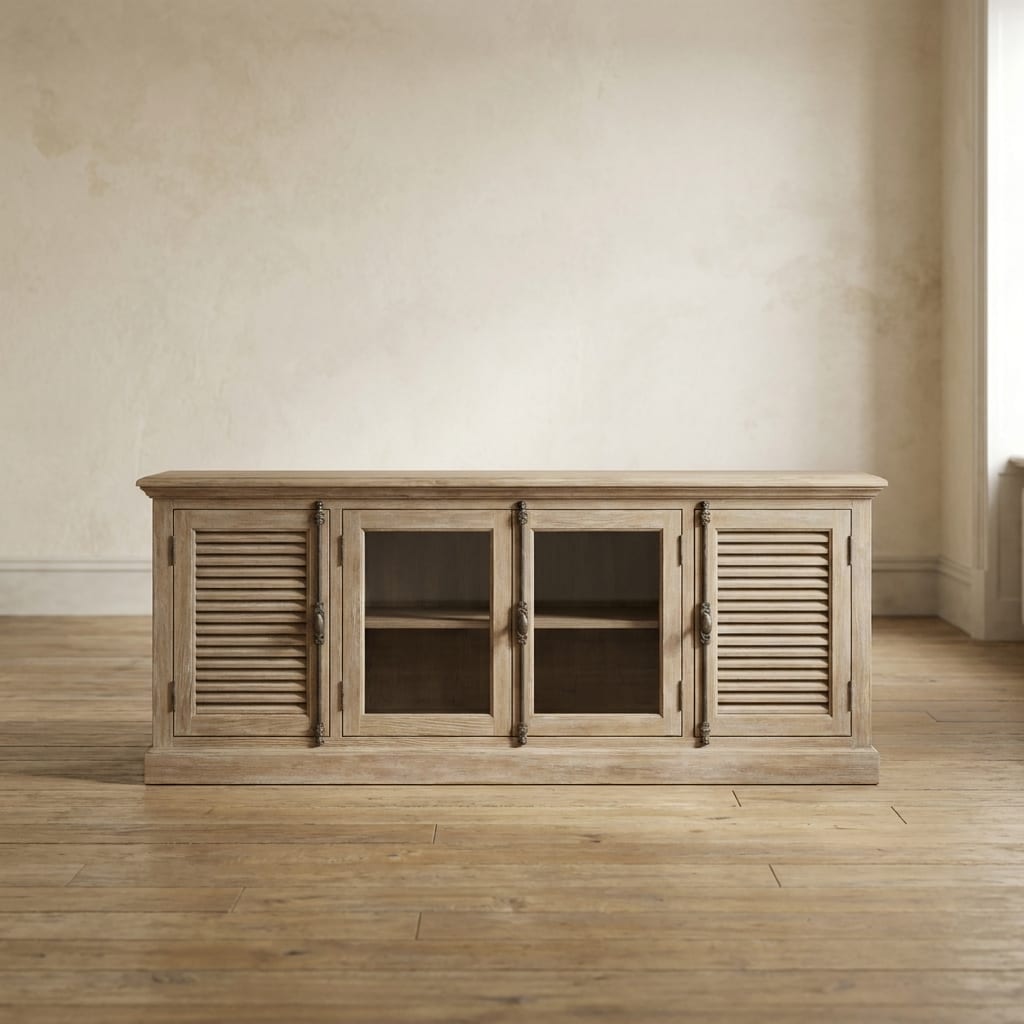
French casement media console
-


Hampden hand-carved arched mirror
-
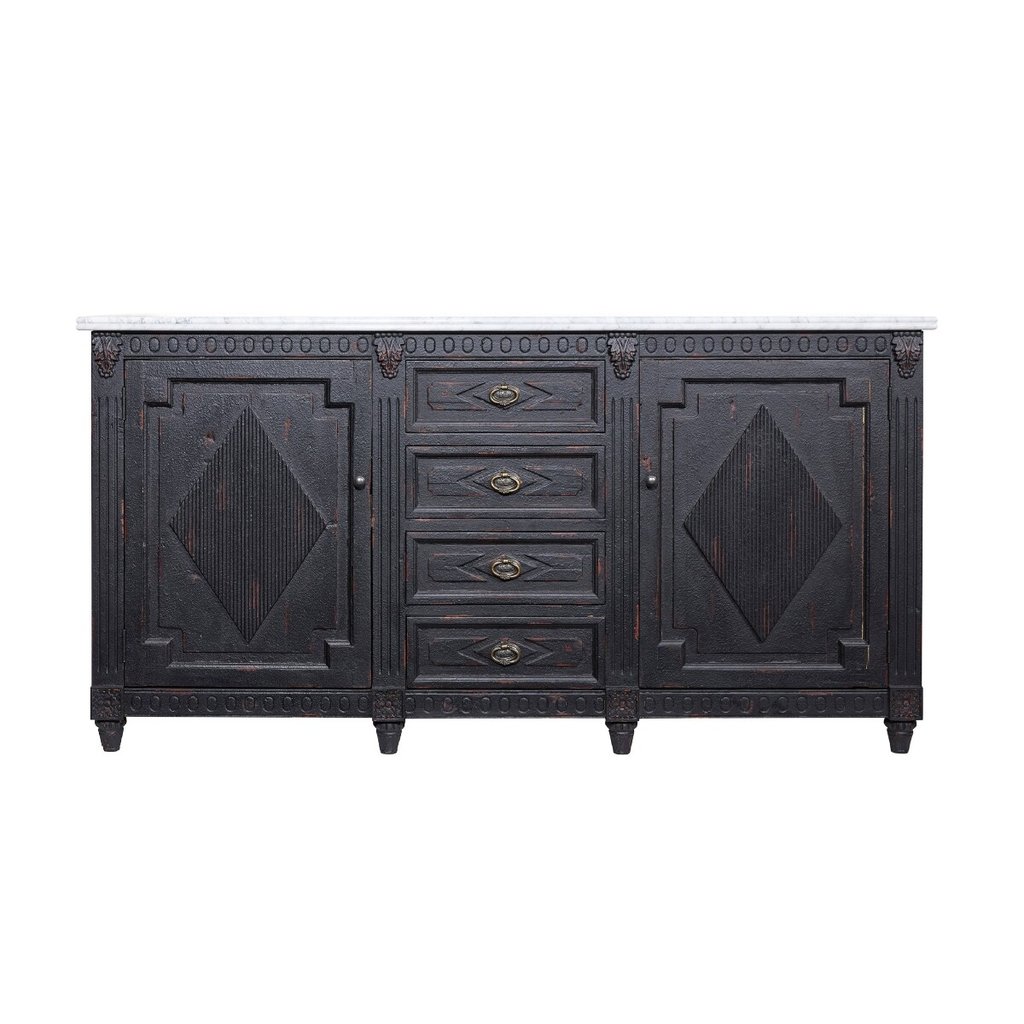
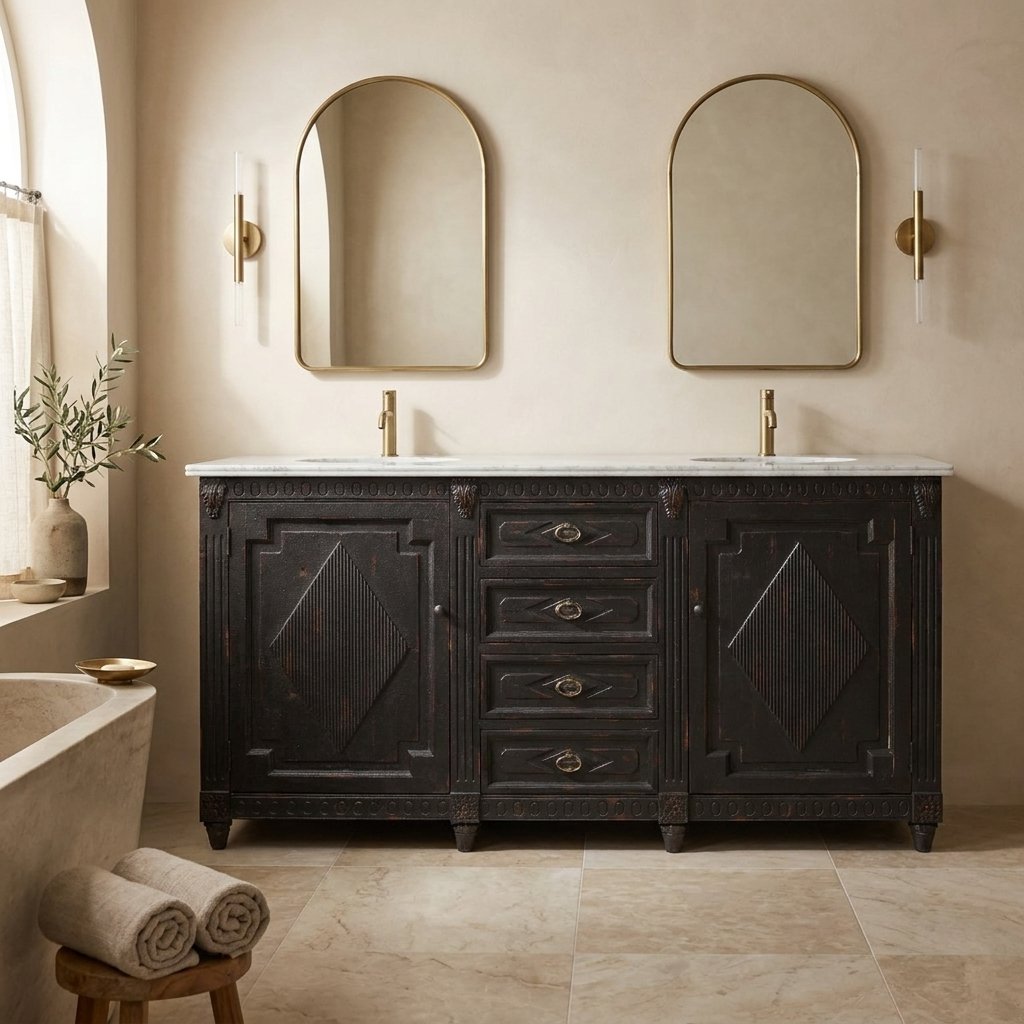
Lincoln carved double vanity
-
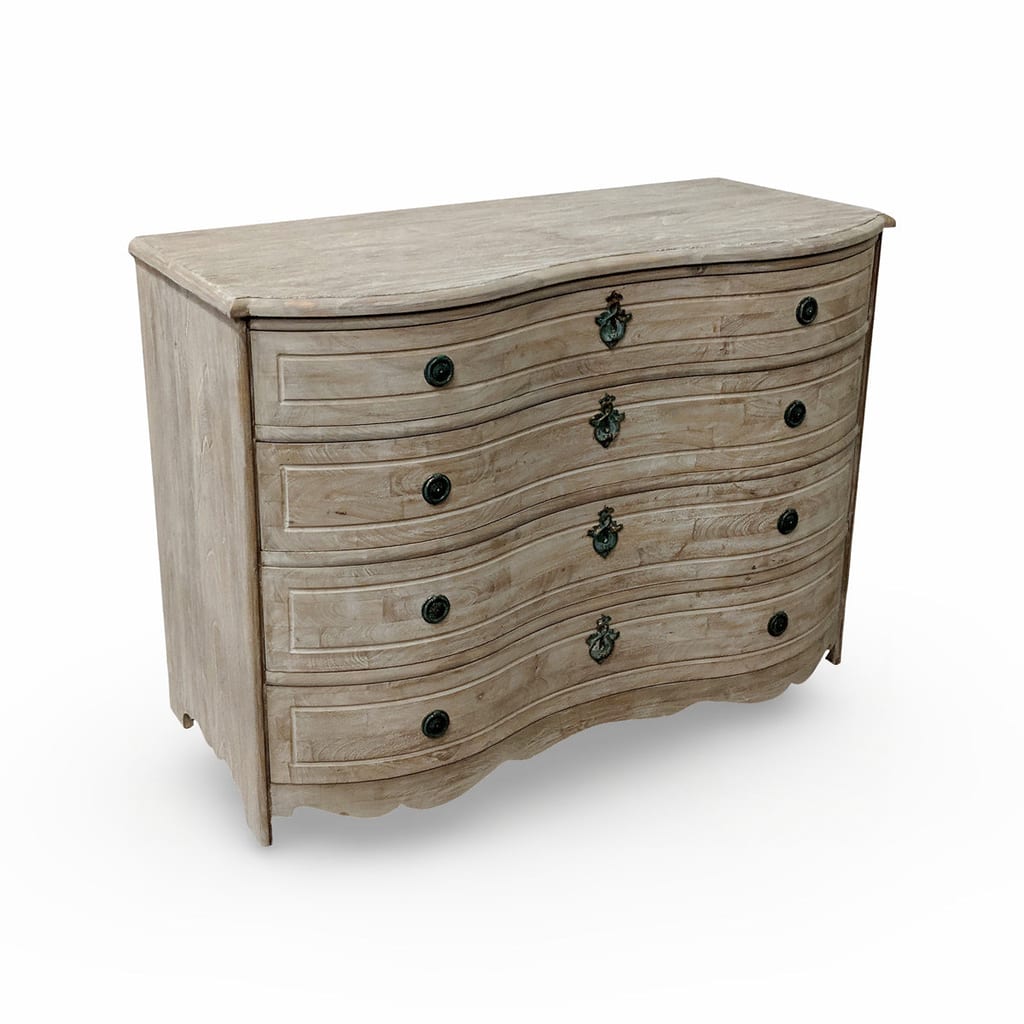
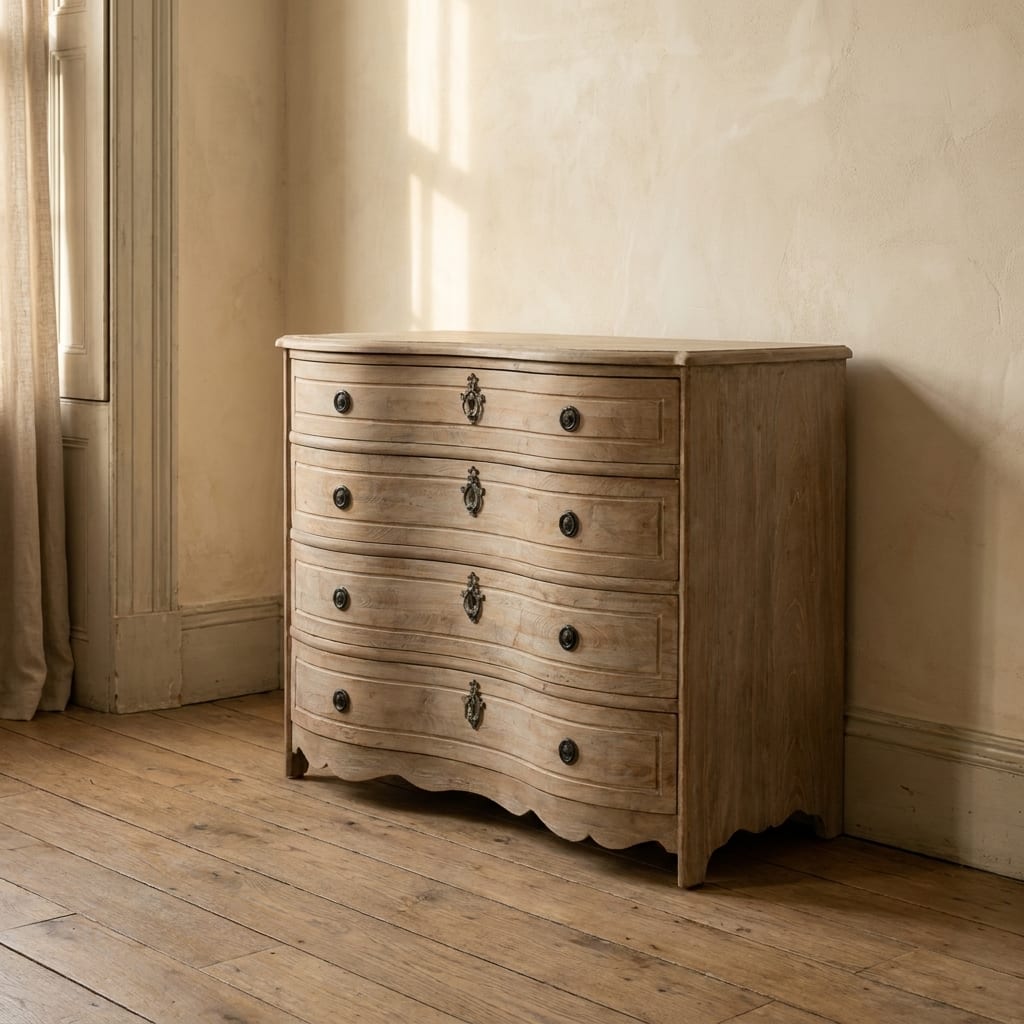
Lori four-drawer chest
-
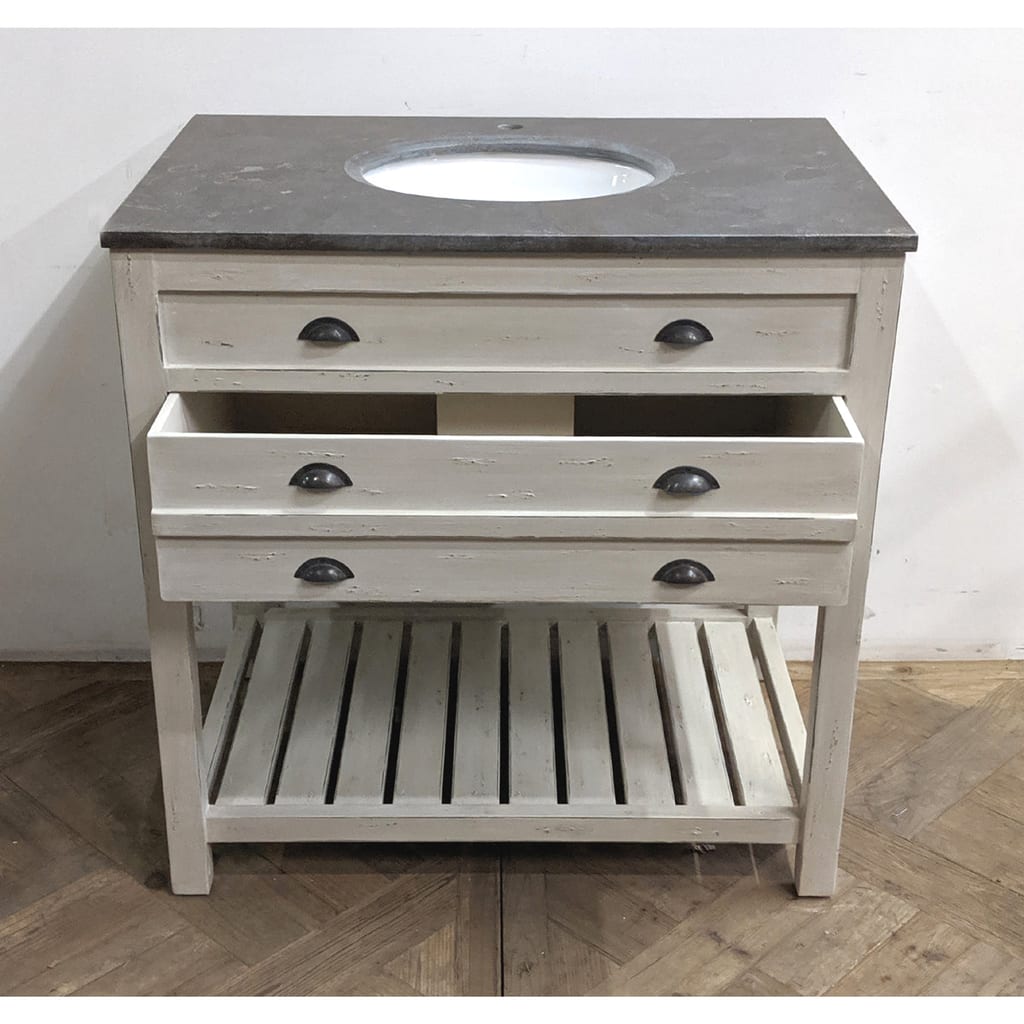
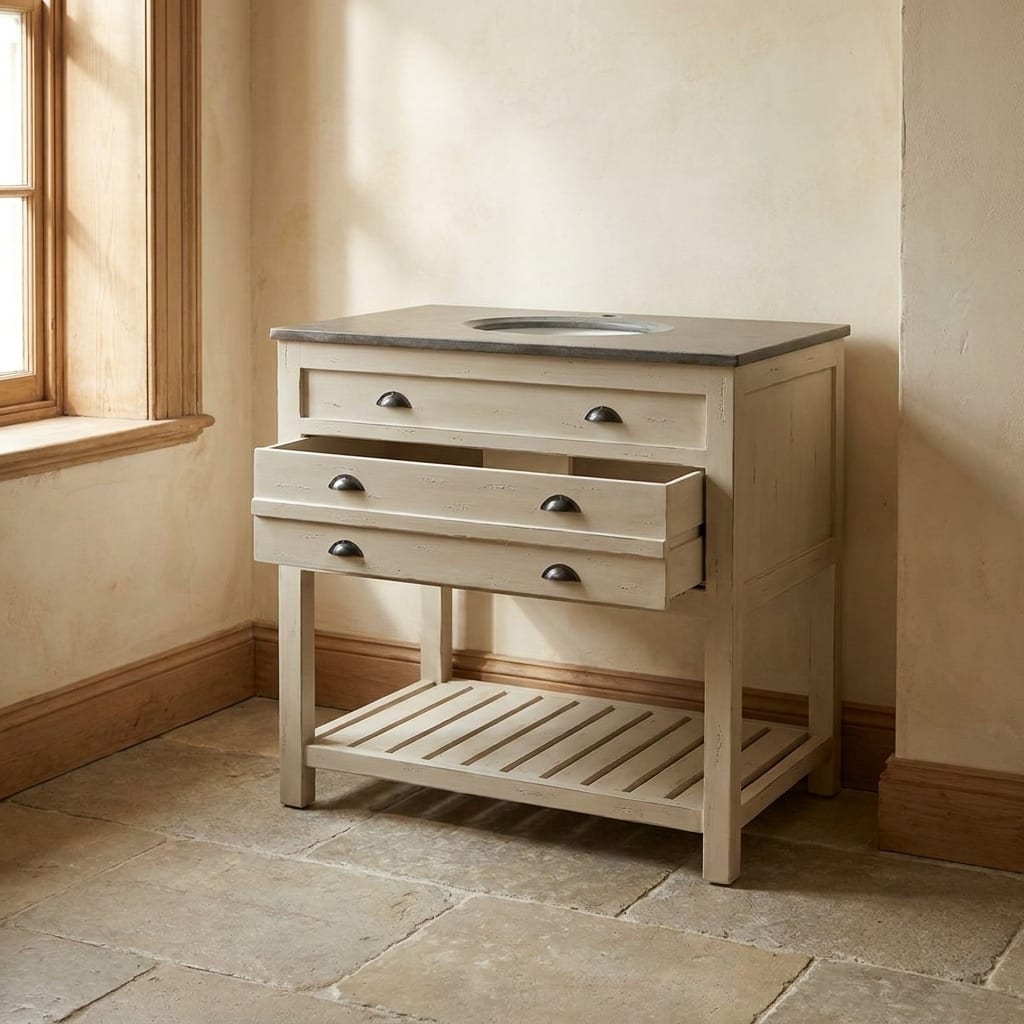
Single vanity with drawers
-
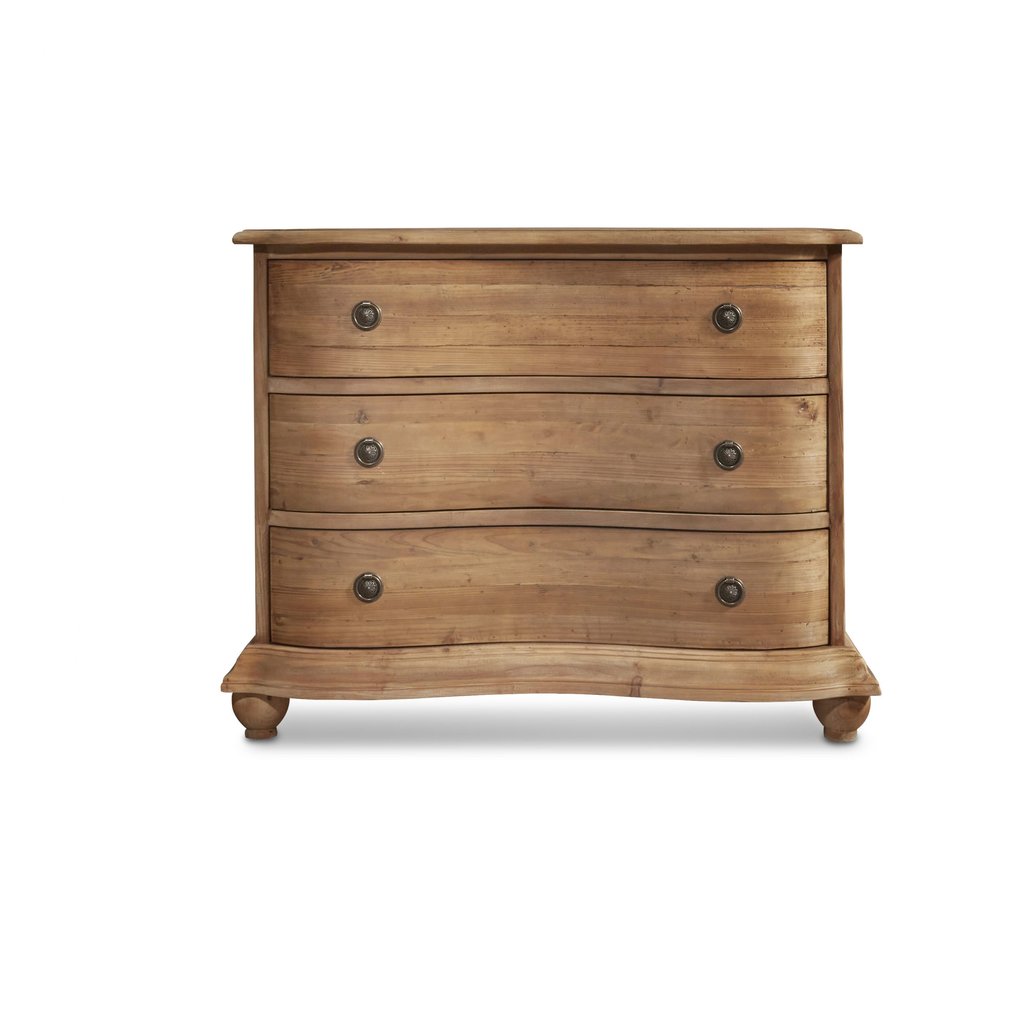
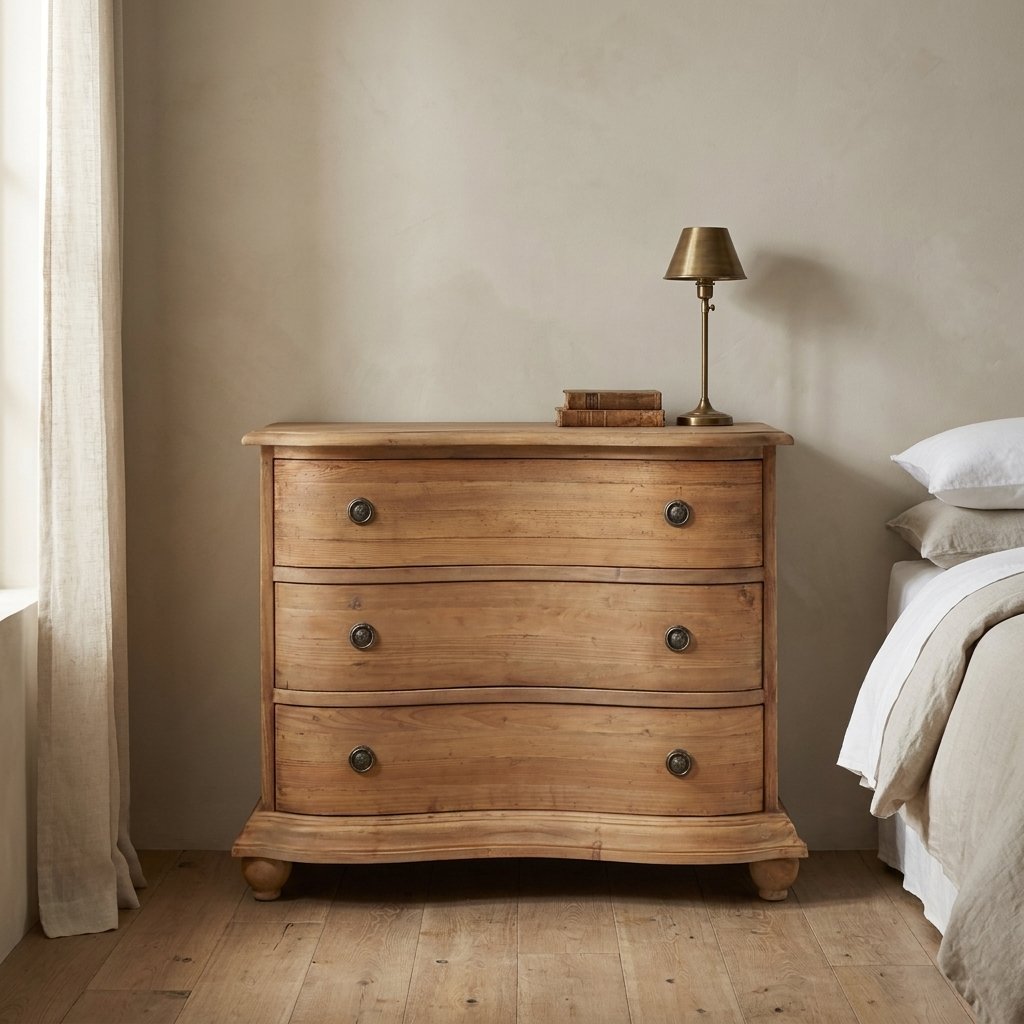
Salford serpentine chest


03 What this does not replace
I did not automate the judgment.
The pipeline runs a defined task to a standard. It does not decide which product is worth spend, what to kill, or what the next quarter should look like. That is the strategy, and that stays with me.
I still make every call and review every output before it goes to a founder. A pipeline that nobody checks is a pipeline that ships a mistake fast. The review is the part I will not hand off.
Claude does the production. It runs the steps, renders the work, and holds the standard each time. The judgment and the review stay with me. What changed is how much one person can take off a founder's plate.
The Operator's Field Notes
I wrote up the whole method. It is free.
How the pipeline works stage by stage, what Claude is genuinely good at, and where it still needs me. The anatomy of a pipeline and a worked build you can replicate. No email required.
- Part one The method. Why a pipeline beats automation, and what a single stage is made of.
- Part two Build it yourself. The file structure, the real prompts, and a four-stage pipeline built end to end.
- Part three What still needs you. The judgment a pipeline cannot run on its own.